
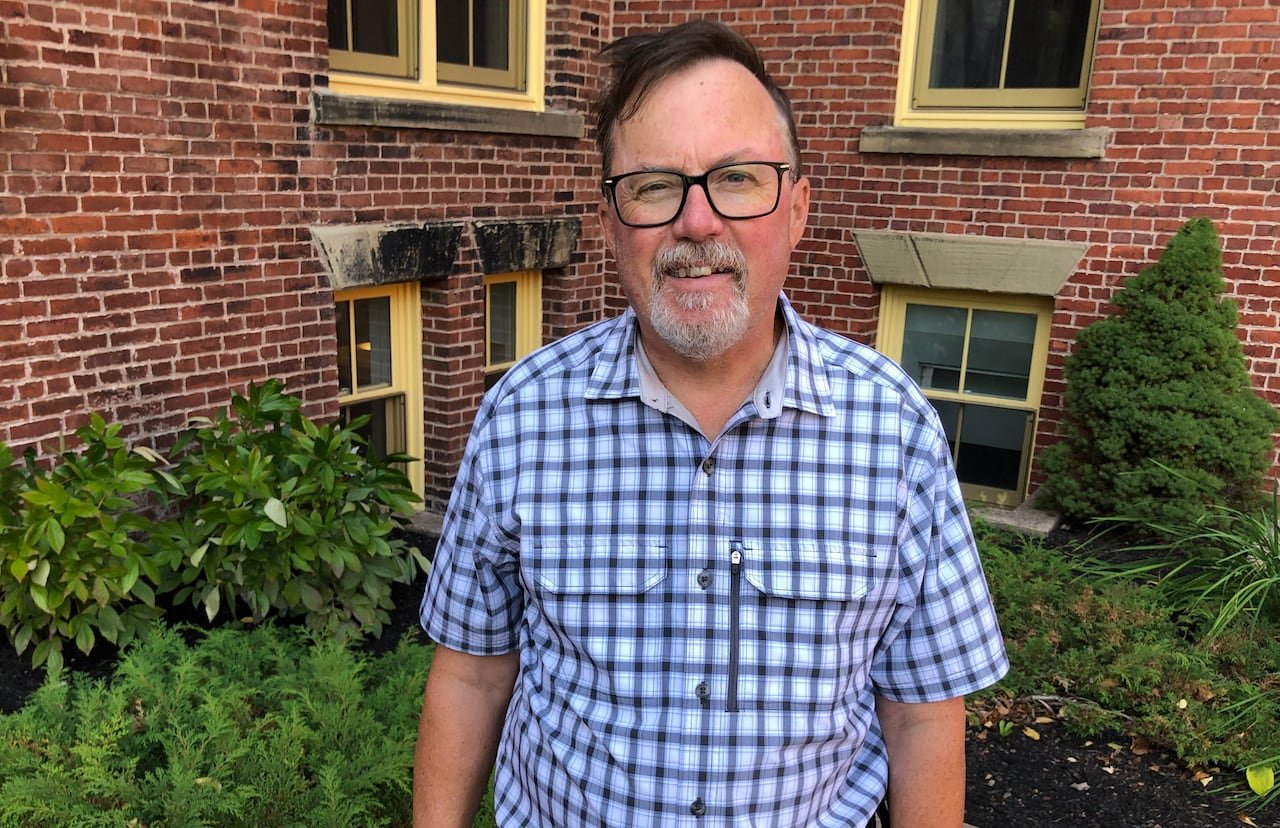
The absence of key leaders at the annual roundtable meeting of northeastern U.S. governors and Canadian premiers comes as no surprise, according to a political scientist from the University of Prince Edward Island.
Don Desserud, who heads the political science department at UPEI, noted that the ongoing cross-border trade conflict has likely influenced the decision of many high-level officials to skip the event.
Only Premiers Tim Houston of Nova Scotia and Rob Lantz of P.E.I. attended the 47th annual conference of the New England Governors and Eastern Canadian Premiers, which concluded on Monday. Vermont Governor Phil Scott was the sole state governor present, with the others sending representatives in their place.
Desserud suggested that current priorities focusing on practical solutions might have deterred some leaders from participating in light of strained bilateral relations.
“The significance of the meeting may be more symbolic than practical at this point,” Desserud remarked in a telephone interview following the two-day gathering.
“I believe today’s premiers are more concerned with tangible outcomes and less preoccupied with optics.”
Reasons for Non-Attendance
New Brunswick Premier Susan Holt opted to remain in the province to address local priorities, delegating Serge Breau from the province’s trade policy office to represent her at the conference.
A spokesperson for Newfoundland and Labrador Premier Tony Wakeham cited his unavailability without providing further details, leading an assistant deputy minister to attend on behalf of the province.
Quebec sent its International Relations Minister Christopher Skeete in lieu of Premier Christine Frechette, with a spokesperson for Skeete clarifying that the delegation selection was unrelated to the trade dispute.
Frechette’s absence was attributed to preparations for an upcoming provincial election on October 1.
Among the six New England governors, four face upcoming primaries prior to the fall statewide elections.
Attendance at the conference has notably dwindled in recent years.
At the previous year’s meeting in St. John’s, three premiers and one governor attended, with lower-ranking officials representing the other states.
During the 2024 conference in Boston, two premiers and five governors participated. The 44th annual conference in Quebec the year before saw three premiers and four governors in attendance.
The last in-person gathering before the pandemic in 2018 was attended by four premiers and three governors.
The 2019 meeting was canceled due to Hurricane Dorian.
The current dynamics between Canada and the U.S. are primarily characterized by an escalating trade dispute instigated by U.S. President Donald Trump, with additional tariffs of 50% on select Canadian goods slated for August 19.
This ongoing situation may have contributed to the decision to forego the conference, as per Desserud.
“The continuous back-and-forth of tariffs renders any agreements almost irrelevant, resulting in a futile exercise,” he remarked.
Vermont Governor Scott acknowledged the strained relations between the two countries in a statement released post-conference on Monday.
“During these uncertain times and strained bilateral ties, governors and premiers play a crucial role in maintaining strong connections,” Scott emphasized.
“Over the past two days, we have shown that we can collaborate on shared goals, despite national-level political disagreements.”
Throughout the event, Scott, Houston, and Lantz visited an aerospace company and a farm to explore collaborative opportunities in clean energy and advanced manufacturing, according to a release from the governor’s office.
The group also engaged with local industry leaders to devise strategies for enhancing energy security, developing reliable infrastructure, and fostering economic growth.
Desserud, who authored a book on interprovincial Maritime politics last year, recognized the rationale behind the absence of many premiers and governors but stressed the importance of participation.
“I am confident that premiers gain a deeper insight
