
Drummers frequently do not receive the recognition they deserve. Often concealed behind their kits, they maintain an air of mystery, sometimes remaining unnamed.
However, Neil Peart stood out as a powerhouse for the Canadian rock group Rush and is regarded as one of the greatest drummers in history.
In Neil Peart: No One’s Disciple, co-directors Scot McFadyen and Sam Dunn pay tribute to Peart’s life, remarkable musical talent, and enduring impact through a series of interviews and live performances.
His bandmates Geddy Lee and Alex Lifeson, along with fellow drummers and friends — including Stewart Copeland of the Police and Chad Smith of the Red Hot Chili Peppers — offer their perspectives on the genius behind the kit and collaborate on Rush songs as a homage to his lasting influence. The film premiered at the Toronto International Film Festival on September 16. Here are 11 insights we gathered:
1. His name is pronounced ‘Peert’
Dunn clarifies, “It’s not ‘Pert’ like the shampoo,” addressing a mispronunciation that has even been featured in movies such as School of Rock and I Love You, Man.
2. He relocated to London at 18 to chase his musical dreams
Peart left St. Catharines, Ontario, after finishing high school, moving to England with the ambition of becoming a musician. He lived in inexpensive rooms and shared accommodations, enduring what he later referred to as “anonymity and poverty” — an early challenge that tested the determination and focus that characterized his career.
3. He was an avid reader
When Peart first joined the band, Lee noted that he would read “five or six books a day,” leading to the realization that their new drummer should also contribute to writing lyrics.
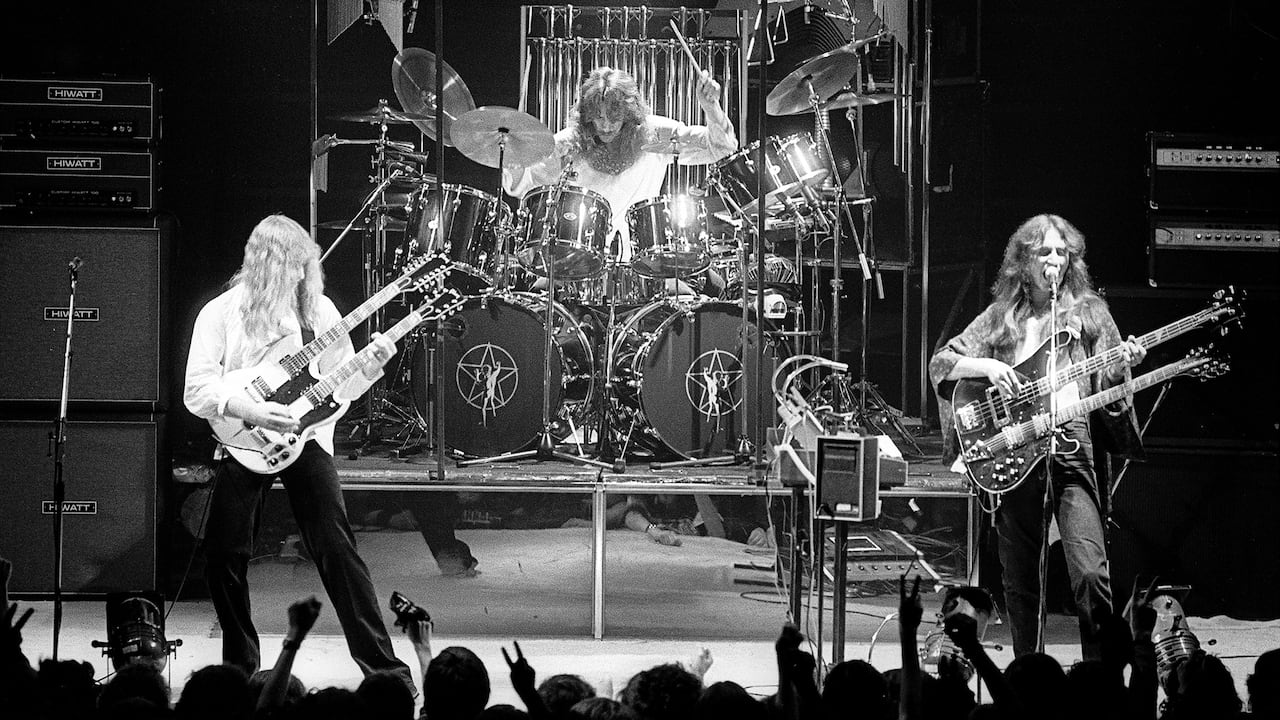
From left, Rush guitarist Alex Lifeson, Peart and lead singer and bassist Geddy Lee perform in 1977. (Fin Costello/Banger Films)
4. He had a passion for The Lord of the Rings
Peart’s creativity was influenced by fantasy, mythology, science fiction, humor, and classical music — elements that made their way into Rush’s songs and lyrics. His admiration for J.R.R. Tolkien inspired tracks like The Necromancer and Rivendell.
5. He practiced before practice
Throughout his career, Peart was dedicated to studying, practicing, and taking lessons, always viewing drumming through the lens of a student.
“It’s important for me to improve my playing continuously,” he stated in archival footage. “To always play my best, to keep it fresh and evolving. It’s kind of my obligation.”
Before band rehearsals, he would spend at least an hour practicing alone. As the filmmakers noted, he consistently sought to enhance his skills — even after achieving global recognition.
6. He contributed to Rush’s grand, theatrical sound
Peart was instrumental in developing Rush’s complex arrangements and dramatic instrumental sections, which became a hallmark of the band’s identity.
His impact is particularly noticeable in 2112, the 20-minute title track from their 1976 album.
“The overture was Neil’s concept,” Lifeson explained, emphasizing the idea of “merging all these segments into one impressive introduction.” The movement intertwines themes that recur throughout the piece, showcasing Peart’s operatic and orchestral style in percussion.
7. His whisky servings increased
During studio mixing sessions, Peart reportedly savored a glass of Macallan whisky at 5 p.m., which amounted to about “two fat fingers,” as described by Lee. Over their 40-year friendship, Lee humorously noted that Peart’s “fingers got fatter.”
8. He embodied the essence of an air drummer
Copeland remarked that Peart’s solos were so detailed, dynamic, and theatrical that audiences felt compelled to play along in the air.
“I once asked him how he managed to engage the air drummers. I want that,” Copeland recalled. “It’s incredible to witness at a Rush concert.”
“The middle section of Tom Sawyer is the ultimate air drummer’s dream,” Smith added. “Whenever Tom Sawyer plays, everyone is air drumming.”
9. He valued his privacy
Peart was uneasy with fame and fiercely guarded his private life.
“When I’m doing my job, I’m a professional,” he stated in an archival interview. “When I’m not working, I’m just a person, so don’t confuse the two.”
10. He took cycling very earnestly
Lee reminisced about Peart biking from Milwaukee to Chicago, a distance of approximately 150 kilometers, on his day off, only to perform a three-hour concert afterward.
He later became a passionate motorcyclist, documenting his journeys, which followed significant personal losses, in his memoir Ghost Rider: Travels on the Healing Road.
11. He almost stepped back but returned for one last tour
Following the tragic loss of his 19-year-old daughter in a car accident in August 1997, and his wife to cancer just ten months later, Peart took a five-year break from music. He made a comeback with the 2002 album Vapor Trails and subsequent tours.
Afterward, Peart contributed to the albums and tours for 2004’s Feedback, 2007’s Snakes & Arrows, and 2012’s Clockwork Angels.
Although he contemplated retirement in 2015, he ultimately agreed to undertake one final tour.
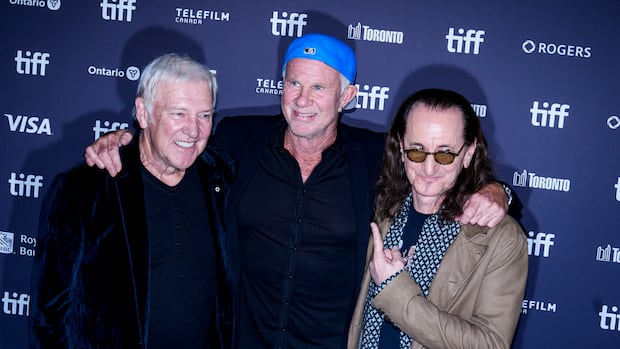
Filmmakers and Rush members reflect on Neil Peart’s legacy, musical genius and the private, caring person behind the legendary drummer at the premiere of Neil Peart: No One’s Disciple.
‘Respect the drummer’
Dunn expressed to CBC News, “Drummers are the foundation of bands, and Neil elevated drumming to an entirely different plane.”
This recognition fuels the film, which serves as the tribute Peart never had: a fitting farewell concert or memorial, which became unfeasible due to the pandemic following his passing from brain cancer in January 2020.
Instead, Lee and Lifeson come together with four of Peart’s musical “brothers” for a heartfelt, humorous, and musical tribute.
McFadyen described it as “a delightful celebration of a multifaceted individual.”
Lee humorously remarked that Peart “would think we were fools” and might feel “a bit embarrassed” by the spotlight. He added that he recalls Peart as “a wise, quick-witted philosopher” and talented lyricist.
Ultimately, the film encourages viewers to follow Dunn’s advice: “respect the drummer.”
Neil Peart: No One’s Disciple will be broadcast on CBC’s The Passionate Eye on September 23 at 8 p.m. (8:30 NT) on CBC and CBC Gem.
