
Upon receiving an email from Etsy, Sam Joseph Karam, a T-shirt designer, was surprised to find that 11 of his shirt designs featuring the term “bruh” had been removed due to a trademark violation claim by Malik Yawar Abbas. Karam, the owner of Customized Designs in the U.S., also lost his Star Seller badge, leading to a drop in sales.
Several Etsy sellers, including Karam, reported having their listings taken down after trademark complaints from Abbas. The Canadian Intellectual Property Office issued a trademark for “bruh” in 2025, allowing Abbas to license the term for clothing and restaurant services.
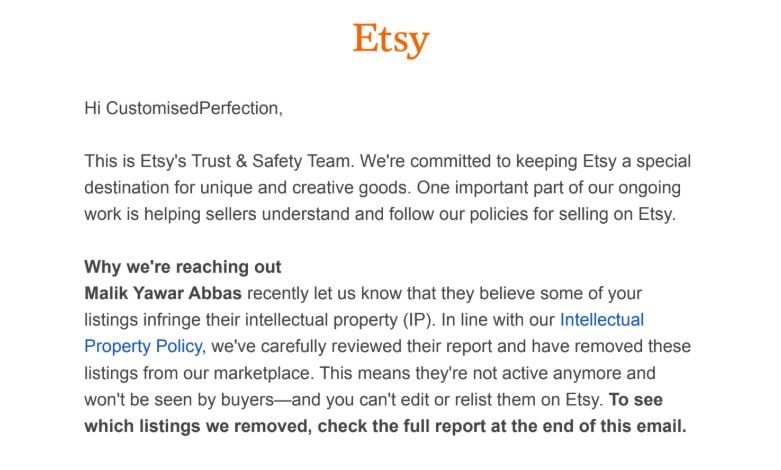
A screenshot of an email Etsy sent to Karam, notifying him that some of his designs were taken down following a report by Malik Yawar Abbas, who holds a trademark on the term ‘bruh.’ (CBC)
Abbas, the trademark holder, defended his actions, stating that he aims to develop a commercial licensing brand with the term “bruh.” He offered to withdraw the complaint against Karam if he agreed to certain terms and paid $1,000, a proposition that Karam declined.
The Trademark Issue
Karam is exploring legal avenues to challenge the trademark, alleging it was obtained in bad faith. Under Canadian law, trademarks filed in bad faith can be invalidated, but the outcome of such cases remains uncertain.
According to intellectual property experts, trademarking a word doesn’t equate to owning it outright. The context in which the word is used determines trademark infringement. In Karam’s case, selling shirts with phrases like “Bruh, we back” may not necessarily infringe on the trademark.
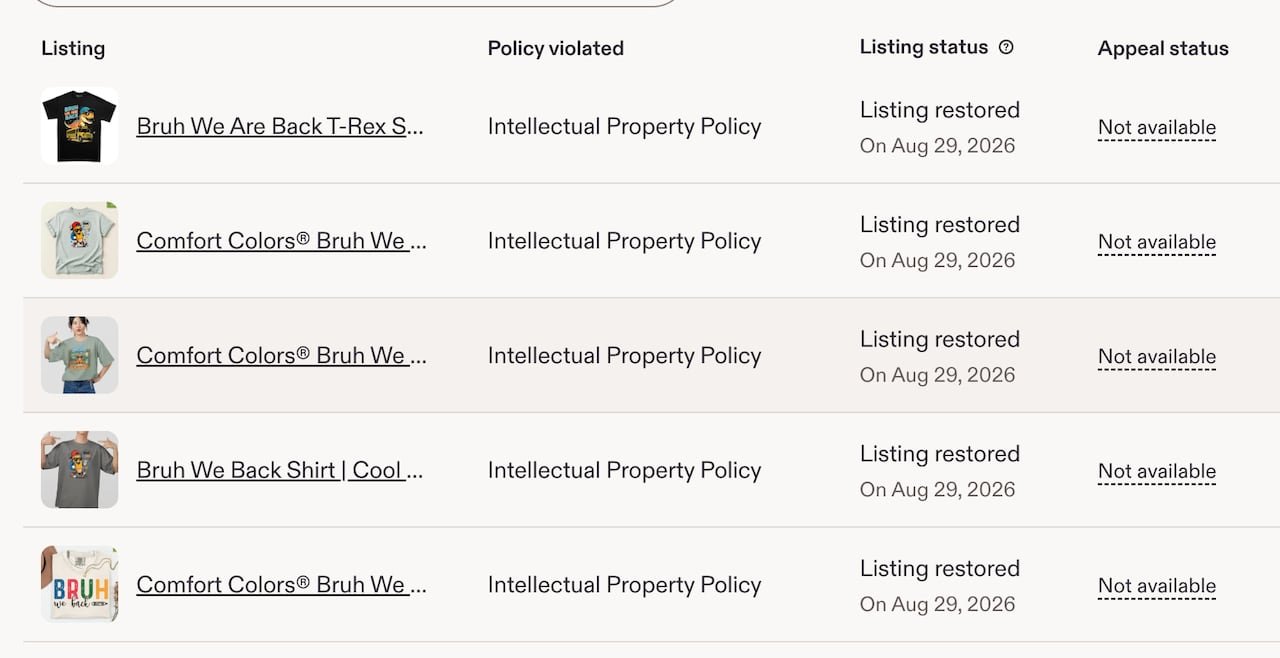
A screenshot of Sam Joseph Karam’s Etsy listings that were reported by the holder of a Canadian trademark for the term ‘bruh.’ (Submitted by Sam Joseph Karam)
Trademark Enforcement Challenges
While online platforms like Etsy take trademark complaints seriously, the lack of an appeals process poses difficulties for sellers. Tighter rules and improved mechanisms for challenging questionable trademarks are suggested to prevent trademark abuses.
Experts emphasize the need for balanced trademark enforcement to protect intellectual property rights without hindering legitimate use of common words or phrases in commerce.
