
Amid a challenging wildfire season in Canada, the United States, and Europe, there is mounting pressure on the manufacturer of the Canadair “Super Scooper” water bombers to ramp up production. Additionally, there are calls for the federal government to place a large order for these planes.
De Havilland, based in Calgary, has decided to restart production of the Canadair after acquiring the water bomber program, previously managed by Bombardier until 2015.
The iconic Canadair aircraft are meticulously crafted by hand, with most of the assembly work taking place in Calgary using components sourced from various locations across Canada. The announcement of the revived production line was made in 2022, and progress is evident as the initial two aircraft are currently under construction and are expected to be finished and delivered by early 2028.
The urgency for these aircraft is palpable among Canadian premiers and European leaders due to existing shortages and aging fleets. Originally developed in the 1960s, the Canadair amphibious firefighting plane was specifically designed for combatting large fires in the Canadian wilderness. Its unique capabilities enable it to maneuver through narrow canyons at low altitudes and swiftly collect thousands of liters of water from lakes, rivers, and oceans.
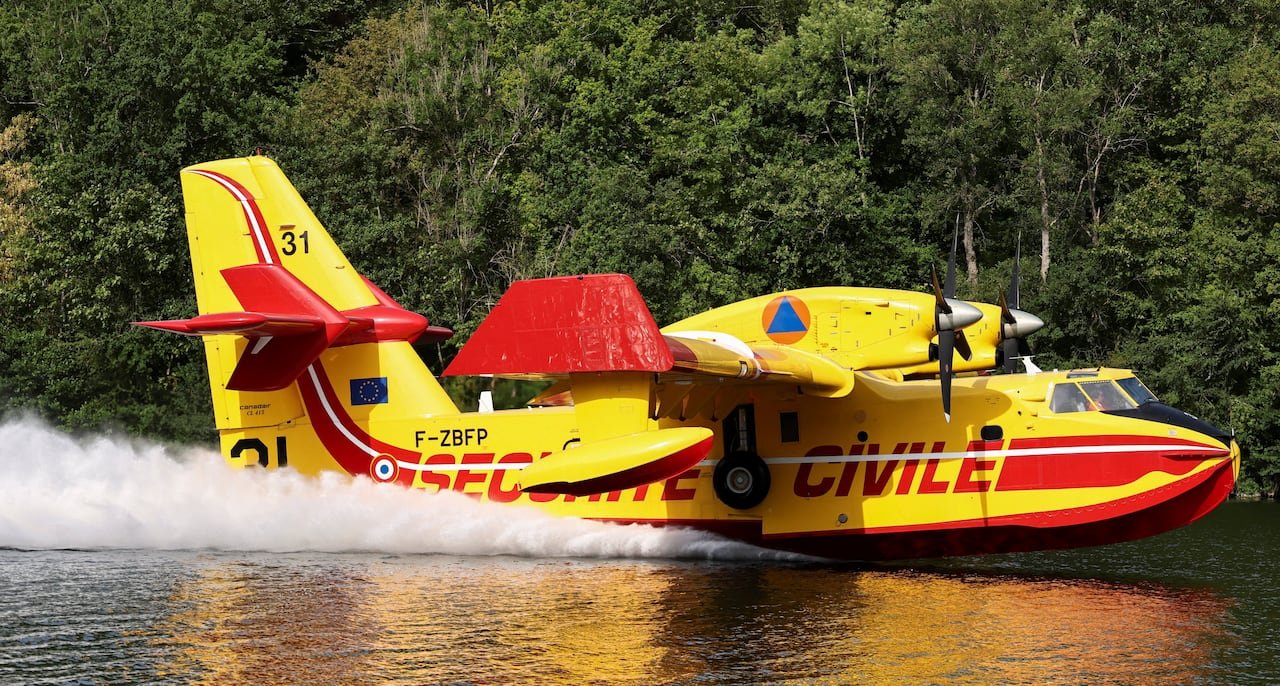
Unlike other aircraft and helicopters that are often retrofitted for water-carrying purposes, the new version of the Super Scooper will closely resemble past Canadair models, featuring expansive high wings measuring 30 meters, a 6,100-liter water tank, and the distinctive yellow and red color scheme.
Growing Political Pressure
Recent criticisms from opposition politicians in France and Spain have put pressure on their respective governments for the inadequate number of operational Canadairs, which has compromised their readiness to combat extreme weather events and wildfires.
Several provincial leaders have expressed frustration over the lack of new water bombers for successive summers, with Manitoba’s Wab Kinew stating in June 2025, “We could use every water bomber we can get our hands on.”
The mounting political pressure is being felt by De Havilland.
“We are facing significant pressure. We understand the crucial role this aircraft plays not just in Canada but worldwide. We are deeply committed to our clients and the communities they serve,” mentioned Neil Sweeney, the company’s vice president of corporate affairs, during an interview at the Calgary assembly plant.
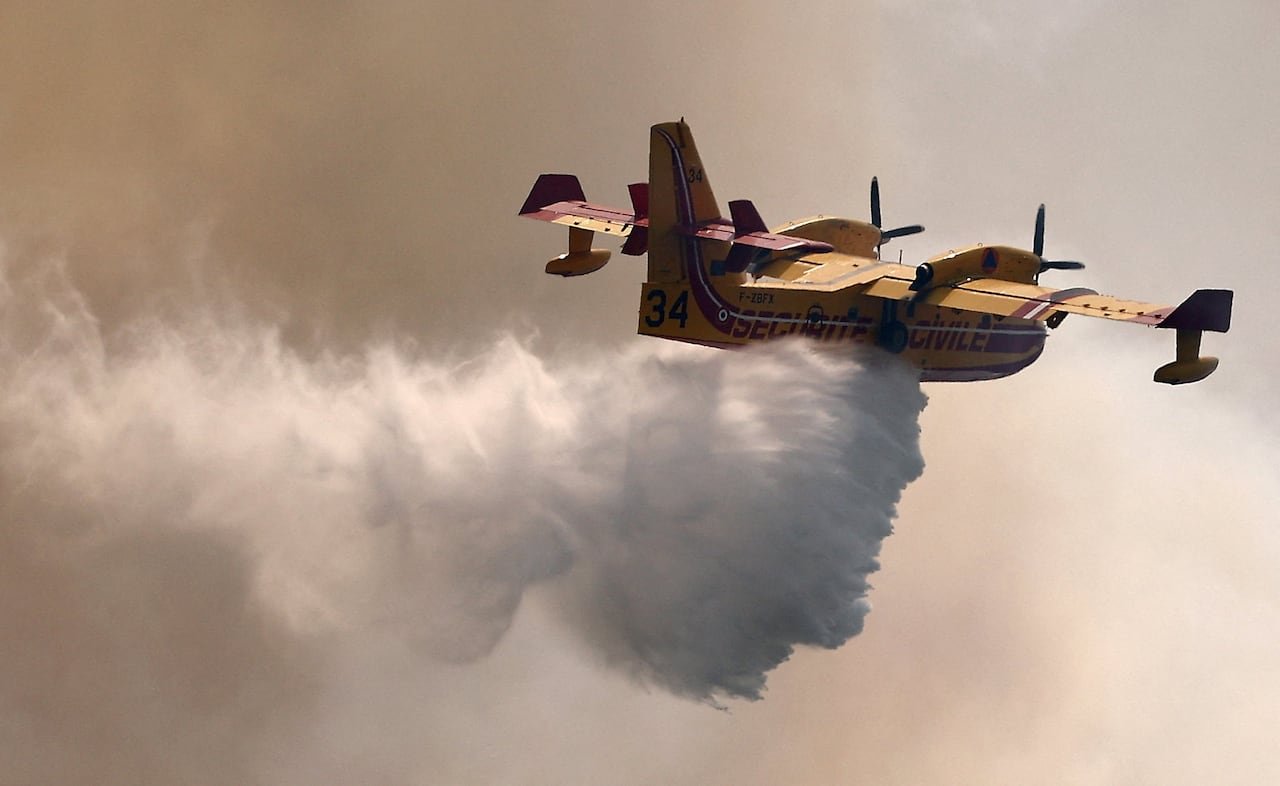
The demand for these aircraft is so high that De Havilland is contemplating the possibility of establishing a second production line while still focusing on the initial aircraft production at the existing facilities.
In recent developments, Alberta Premier
