
Termed as a “super” El Niño or a “Godzilla” El Niño, the Pacific Ocean warming event disrupting global weather patterns has made a comeback, coinciding with a period when many regions on Earth are already experiencing extreme heat.
July marked the hottest month on record for North America and Europe, with successive heat waves causing numerous heat-related fatalities, drying up rivers, and scorching landscapes with wildfires. This includes Canada, where over 4.1 million hectares of forest have burned, generating thick smoke that covered a large portion of the eastern country and parts of the northern U.S.
While this scorching summer coincided with the re-emergence of El Niño, climate experts clarify that it is not directly responsible for these severe weather events. However, they caution that this naturally occurring phenomenon could potentially intensify extreme weather conditions already exacerbated by human-induced climate change.
-
El Niño is back and could have significant impacts, experts say
-
Europe’s drought reveals sunken Nazi warships
“El Niño’s impacts are expected to be widespread and significant across a vast area,” stated Josh Willis, a climate scientist at NASA’s Jet Propulsion Laboratory.
“Prepare yourself, as we are in for a tumultuous journey.”
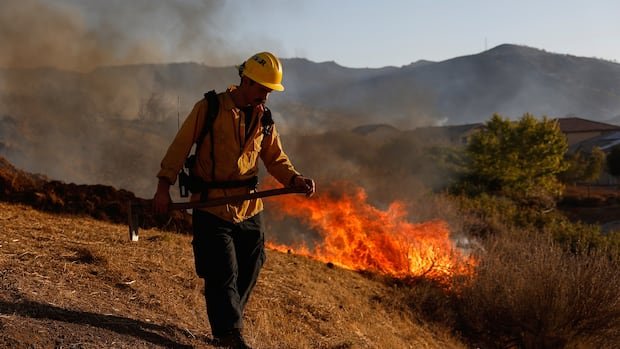
The UN’s weather agency warns that the return of El Niño will elevate temperatures this summer, exacerbating climate-related disasters such as droughts and wildfires.
Reversing Weather Conditions
Naturally occurring every three to seven years, El Niños typically commence in spring and extend into the following year. They are characterized by a rise in sea surface temperatures of at least 0.5°C above the norm in the Pacific equatorial region where they originate.
According to Willis, this warming process heats up the air above the ocean and “alters the atmospheric dynamics.”
“It essentially changes the typical weather patterns,” he explained
