
Do you recall the days when visiting your local mall meant catching a performance by a pop star next to the food court while picking up a new zip-up? That experience is making a comeback.
On Tuesday, Gap revealed its collaboration with the rising boy band Just Your Type (JYT), marking the brand’s inaugural project for its “fashiontainment platform.”
What exactly is a “fashiontainment platform”? Gap describes it as an initiative that “utilizes the strength of its renowned brands to produce content.” The company plans to co-create a docuseries detailing the band’s formation and initial experiences, design a capsule clothing line with the five members, and generate social media content to support the project.
In a nod to the pop culture of the late 1990s and early 2000s, this collaboration will also encompass a mall tour across the United States.
CBC News contacted Gap to inquire whether the tour would extend to Canada, but has yet to receive a response.
The band behind the brand
JYT consists of five members: Recker Eans, Toby Green, Caden Adamonis, Bryan Chan, and Tyler George.
Not familiar with JYT? That’s understandable, as the group only debuted their first single, What U Want, at the end of last year and has released just four songs altogether.
However, music industry executives have shown significant confidence in the group from the outset.
In January, JYT officially signed with Republic Records, collaborating with Grammy-nominated songwriter and producer Freddy Wexler, who has been instrumental in their development. Wexler’s credits include work with artists like Justin Bieber, Blackpink, and Ariana Grande.
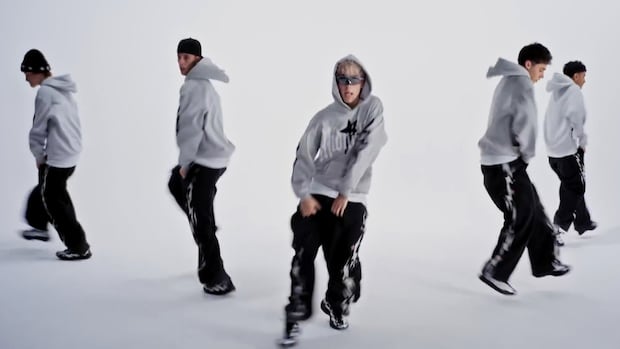
Boy band JYT, or Just Your Type, is partnering with Gap to revive the mall tour, a trend from the 1990s where emerging artists performed in shopping centres to take advantage of foot traffic.
“From the moment these five kids stood in a room together, I knew we had something special. JYT isn’t a manufactured boy band; they chose each other,” Wexler shared with UDiscover Music, a site supported by Universal Music Group. “America hasn’t produced a global boy band in decades, and these kids are about to change that.”
With their harmonious vocals and synchronized dance moves, JYT appears to be positioned as the next generation of boy bands reminiscent of NSync and the Backstreet Boys, possibly emerging as America’s response to the well-rehearsed, visually and musically refined groups from South Korea, such as the global K-pop phenomenon BTS.
Setting the tone
Despite their youth, with ages ranging from 15 to 17, most members have considerable experience in the entertainment industry; two of them were previously touring members of Kidz Bop, and several have appeared as backup dancers in music videos and in guest roles on television.
This partnership indicates that Gap is intensifying its efforts to engage Gen Z and Gen Alpha consumers. The brand recently achieved viral success with an advertisement featuring the girl group Katseye, who showcased a choreographed dance in Gap denim. This followed the hiring of designer Zac Posen to enhance its cultural relevance in 2024.
“This campaign showcased the effectiveness of our strategy in action, featuring on-trend products, enhanced by culturally relevant storytelling,” remarked Richard Dickson, Gap’s CEO, during a call with investors regarding the company’s third-quarter results earlier this year. Comparable sales in that quarter increased by five percent, attributed to the ad’s success, according to CNBC.
Dickson referred to this collaboration as a “genuine cultural takeover,” employing a strategy Gap intends to continue developing moving forward.
According to one marketing expert, Gap’s decision to partner with a boy band is a natural progression.
“Youth culture undoubtedly influences trends like this. Therefore, the goal isn’t merely to connect with teenagers and young adults,” stated Max Valiquette, a communications specialist and trends analyst. “It’s about understanding that when they deem something as cool or engaging, it often resonates with older demographics and affects their purchasing decisions as well.”
Return of the mall tour
Groups such as New Kids on the Block, the Backstreet Boys, and even pop legends like Britney Spears famously performed in malls during their early careers, leveraging these venues to draw crowds.
Valiquette noted that it “makes perfect sense” for Gap to want to bring this tradition back.
“It’s a strategic move to see if entertainment can effectively drive apparel sales, but instead of collaborating with an established boy band, they are working with a group that is still in the early stages of their career,” Valiquette explained.
“And this approach allows Gap to grow alongside the band.”
