
Former translator and fixer for Canadian media during the Afghan war, Abdul Razaq Khan, received a late-night text five years ago from a journalist he had assisted in Kandahar. At that time, he had moved on to a job at the American aid agency USAID in Kabul after the Canadian withdrawal from Afghanistan.
In the summer of 2021, the Taliban began advancing towards Kabul, prompting concern from his journalist friend about his safety. Khan, now resettled in Canada, reflects on the loss of his job, home, and country, struggling to comprehend the events leading to the swift collapse of the western-backed government.
Leaving his country was a painful experience for Khan, who acknowledges that no one leaves their homeland willingly.

Hazrat Wahriz, a former Afghan diplomat and educator living in Canada, initiated Daricha, a network of underground schools in Afghanistan to defy the Taliban’s ban on girls’ education past Grade 6. Despite the risks, Wahriz remains hopeful about fostering change within Afghan society through education.
Khan narrowly escaped to Canada on foot, crossing the Pakistani border as the Taliban seized control of Kabul. His work with Canadian media made him a target, a common plight for Afghans associated with journalists, western military, and aid organizations.
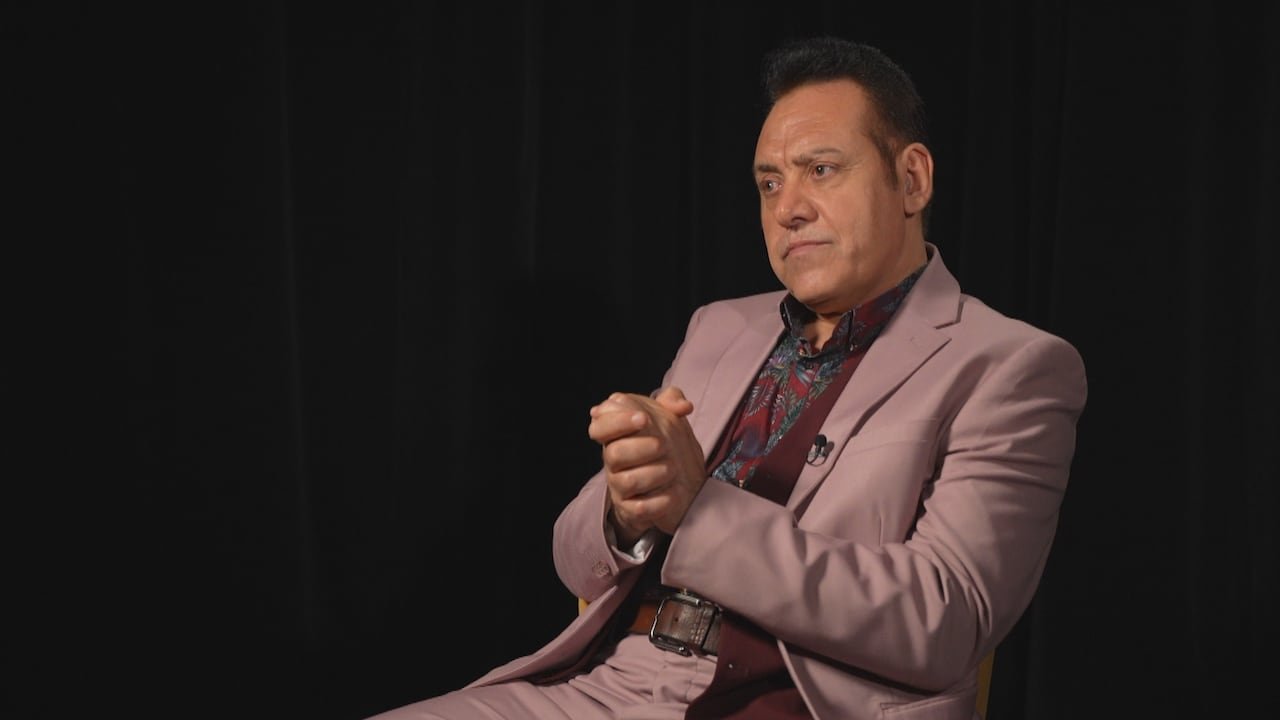
The Taliban’s resurgence resulted in the displacement of hundreds of thousands of Afghans and the imposition of strict, authoritarian rule, erasing women from public life, stifling media freedom, and enforcing rigid moral codes.
Challenges Faced by Afghan Women
Women, who were a focal point of western social initiatives during the conflict, have borne the brunt of the Taliban’s rule, facing escalating violence and injustice, as reported by The Zan Times.
The organization’s findings reveal a disturbing trend of impunity for crimes against women, with many cases of violence dismissed as suicides to avoid accountability for perpetrators.
Utilizing a network of local journalists, The Zan Times sheds light on the reality facing Afghan women, countering official narratives and exposing instances of domestic abuse.
Since the fall of Kabul in 2021, western nations have struggled to uphold women’s rights in Afghanistan, resorting to diplomatic censure and targeted sanctions.
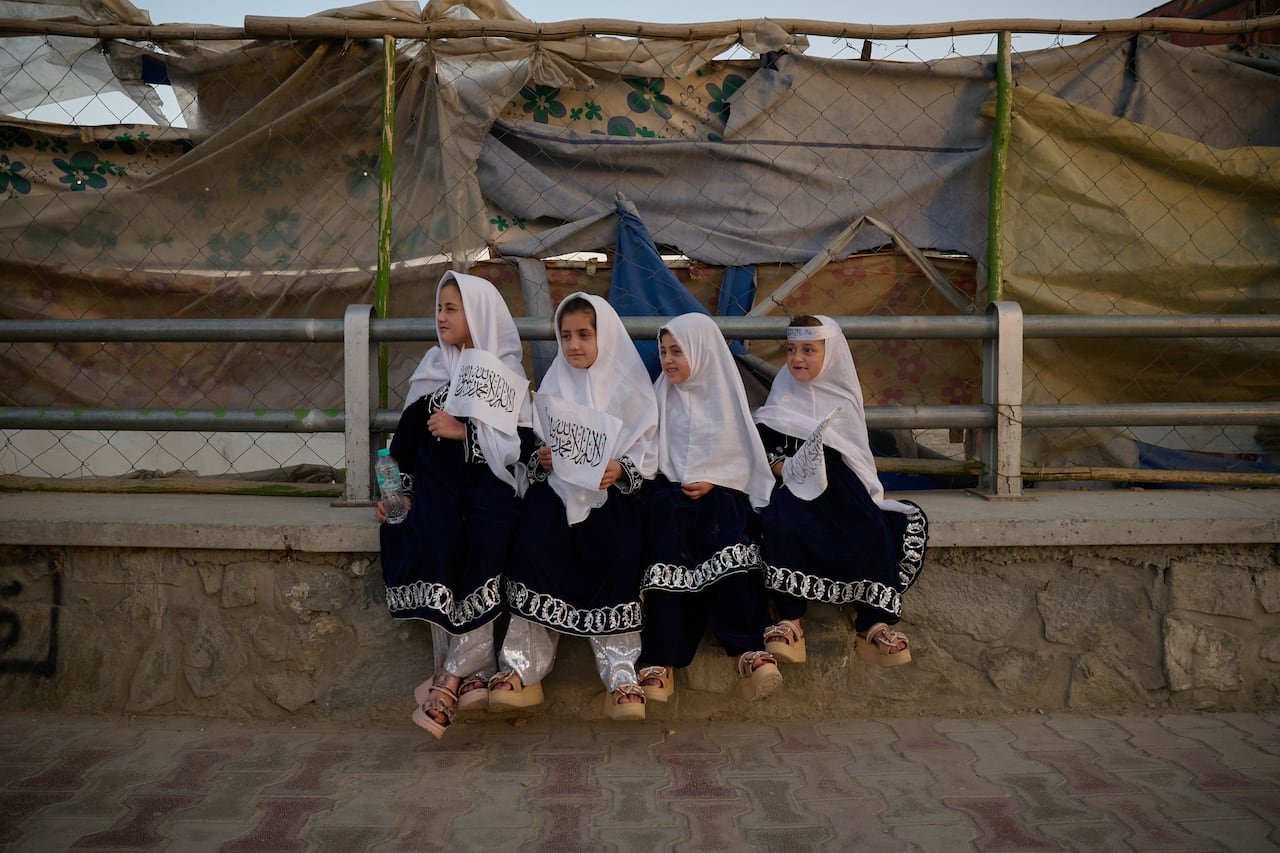
Efforts to protect vulnerable Afghan women
